
The Future of Robotics: Automation and Human Collaboration
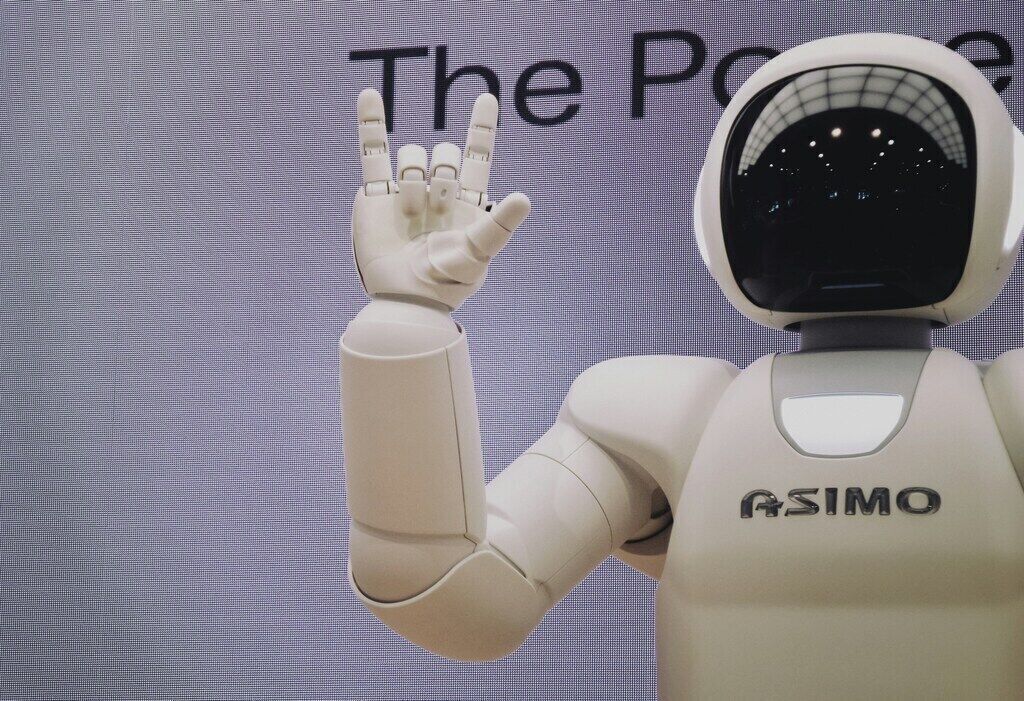
The Future of Robotics: Automation and Human Collaboration
Introduction
Robotics technology has advanced rapidly over the past decade, transforming the way industries operate. By 2025, robots are no longer limited to factories—they are collaborating with humans across healthcare, logistics, agriculture, and service sectors. The integration of automation and human-robot collaboration is creating new efficiencies, improving safety, and enabling innovative solutions to complex problems.
Understanding Modern Robotics
Modern robotics combines mechanical engineering, computer science, and AI to create machines capable of performing tasks autonomously or semi-autonomously. Key components include:
- Sensors: Detect changes in the environment for accurate navigation and task execution.
- Actuators: Enable precise movement and operation of robotic arms or machinery.
- Artificial Intelligence: Powers decision-making, learning, and adaptation.
- Connectivity: Allows integration with IoT devices and cloud-based systems for enhanced coordination.
Robots can now learn from their surroundings, adapt to new tasks, and work safely alongside humans.
Industries Transformed by Robotics
Manufacturing
Collaborative robots (cobots) work alongside factory workers, performing repetitive or hazardous tasks. This increases efficiency while reducing workplace injuries.Healthcare
Surgical robots assist doctors in performing minimally invasive procedures with greater precision. Rehabilitation robots support patients recovering from injuries or surgeries.Logistics and Supply Chain
Autonomous warehouse robots handle inventory management, sorting, and packaging, reducing operational costs and improving delivery speed.Agriculture
Robotics-powered machinery automates planting, harvesting, and crop monitoring, enhancing productivity and reducing labor dependency.Service Industry
Robots are now used in hotels, restaurants, and retail for tasks like customer assistance, cleaning, and inventory tracking.
Benefits of Human-Robot Collaboration
- Increased Productivity: Robots handle repetitive or high-risk tasks, allowing humans to focus on complex and creative work.
- Enhanced Safety: Dangerous tasks are delegated to robots, reducing workplace accidents.
- Cost Efficiency: Automation reduces operational expenses over time.
- Scalability: Businesses can expand operations with minimal additional labor.
- Innovation: Human expertise combined with robotic precision leads to novel solutions and improved processes.
Challenges and Considerations
While robotics offers numerous benefits, challenges remain:
- High Initial Costs: Developing, deploying, and maintaining advanced robots requires significant investment.
- Workforce Adaptation: Employees must acquire new skills to work effectively alongside robots.
- Ethical Concerns: Autonomous decision-making raises questions about accountability and responsibility.
- Data Privacy: Robots often collect sensitive data, requiring robust security measures.
- Technical Limitations: Robots may struggle with tasks requiring human judgment, intuition, or dexterity.
The Future Outlook
The future of robotics will be defined by collaborative intelligence , where humans and robots work synergistically:
- Development of smarter cobots capable of understanding and responding to human behavior.
- Integration with AI and IoT for real-time decision-making and predictive maintenance.
- Expansion into everyday life, including personal assistants, healthcare support, and autonomous transport.
- Emphasis on sustainable robotics , reducing energy consumption and material waste.
As technology advances, the balance between automation and human creativity will determine the next wave of productivity and innovation.
Conclusion
Robotics is no longer confined to industrial assembly lines—it is a transformative force across multiple sectors. By 2025, the collaboration between humans and robots will drive efficiency, safety, and innovation to unprecedented levels. Organizations that embrace this partnership strategically will not only reduce costs but also foster a more innovative and resilient workforce , preparing for the demands of a technology-driven future.