
AI in Aviation: Enhancing Safety and Efficiency
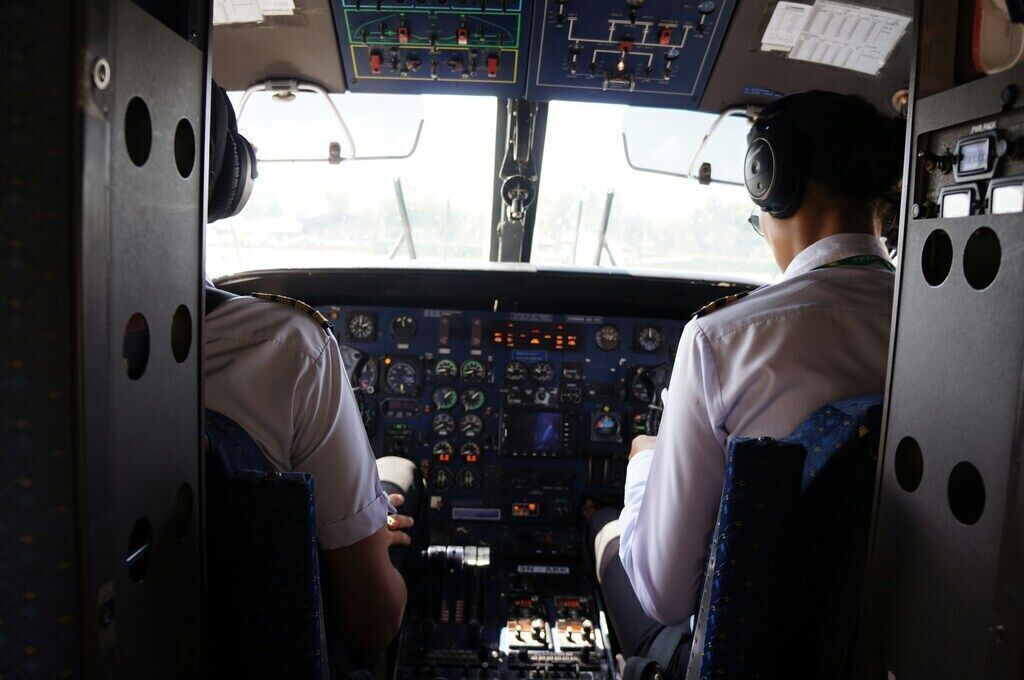
AI in Aviation: Enhancing Safety and Efficiency
Artificial Intelligence (AI) is revolutionizing industries worldwide, and aviation is no exception. From flight operations to maintenance and air traffic management, AI technologies are being integrated to enhance safety, efficiency, and overall operational performance. This article explores how AI is transforming aviation, the key applications, benefits, and challenges, and what the future holds for AI-driven flight.
1. Introduction to AI in Aviation
AI refers to the simulation of human intelligence in machines that can analyze data, make decisions, and learn from experience. In aviation, AI is applied to improve operational efficiency, reduce human error, enhance safety, and optimize the passenger experience. The adoption of AI in aviation is accelerating due to:
- Big Data Analytics : Massive amounts of flight, maintenance, and weather data are now available for AI algorithms to analyze.
- Advanced Machine Learning : AI can detect patterns and predict outcomes, assisting pilots, air traffic controllers, and maintenance teams.
- Automation Needs : Increasing air traffic requires smarter systems for managing operations and reducing delays.
2. AI in Flight Operations
AI is increasingly being used to support pilots and optimize flight operations:
- Autonomous and Assisted Flight Systems : AI-powered autopilot and decision-support systems help pilots manage complex flight scenarios, particularly during takeoff, landing, and adverse weather conditions.
- Flight Planning Optimization : AI analyzes weather, air traffic, and fuel consumption to generate optimal flight paths, reducing delays and fuel costs.
- Predictive Decision-Making : AI can recommend reroutes or speed adjustments based on real-time data, enhancing operational efficiency and safety.
3. AI in Air Traffic Management
Air traffic management is critical for ensuring safe and efficient skies. AI applications in this area include:
- Traffic Flow Optimization : AI algorithms can predict congestion, optimize flight sequencing, and manage airspace efficiently.
- Conflict Detection and Resolution : Machine learning systems identify potential flight conflicts and suggest solutions to avoid collisions.
- Autonomous Air Traffic Control : Research is ongoing into AI systems that can manage routine air traffic operations, reducing the workload on human controllers.
4. AI in Predictive Maintenance
Maintenance is a vital component of aviation safety, and AI has significantly improved predictive capabilities:
- Sensor Data Analysis : Aircraft are equipped with thousands of sensors that monitor engines, structural integrity, and system performance. AI analyzes this data to detect anomalies.
- Predicting Component Failures : Machine learning models can forecast when parts are likely to fail, enabling proactive maintenance and reducing downtime.
- Cost Reduction : Predictive maintenance lowers repair costs by preventing major failures and optimizing maintenance schedules.
5. AI in Passenger Experience
AI is also transforming the passenger experience:
- Personalized Services : AI analyzes passenger preferences to offer personalized flight options, seating recommendations, and in-flight services.
- Enhanced Customer Support : Chatbots and virtual assistants powered by AI provide 24/7 support for ticketing, flight updates, and inquiries.
- Security Screening : AI-driven image recognition systems speed up airport security checks while maintaining high safety standards.
6. Challenges of Implementing AI in Aviation
Despite its promise, integrating AI into aviation comes with challenges:
- Data Privacy and Security : AI systems rely on large datasets, which must be protected from breaches and misuse.
- System Reliability : AI algorithms must be extremely reliable, as errors can have serious safety consequences.
- Regulatory Compliance : Aviation authorities require rigorous testing and certification for AI systems to ensure safety and accountability.
- Human-AI Collaboration : Pilots and air traffic controllers need training to work effectively with AI systems without over-reliance or under-utilization.
7. Future Prospects
The future of AI in aviation is bright, with several emerging trends:
- Fully Autonomous Aircraft : Research is ongoing on autonomous passenger and cargo planes that can operate with minimal human intervention.
- Integrated AI Air Traffic Networks : AI could manage interconnected airspace systems, optimizing global flight operations.
- Enhanced Safety Analytics : Advanced AI models will provide real-time risk assessment for both flight operations and maintenance.
- Sustainable Aviation : AI will contribute to greener aviation by optimizing routes, fuel consumption, and emissions.
Conclusion
Artificial Intelligence is transforming aviation across multiple dimensions. From enhancing flight safety and operational efficiency to improving predictive maintenance and passenger experience, AI technologies are becoming an integral part of modern aviation. While challenges remain in terms of data security, regulatory approval, and human integration, the ongoing development and adoption of AI promise a future where air travel is safer, more efficient, and increasingly intelligent.