
Augmented and Virtual Reality: The Next Digital Experience
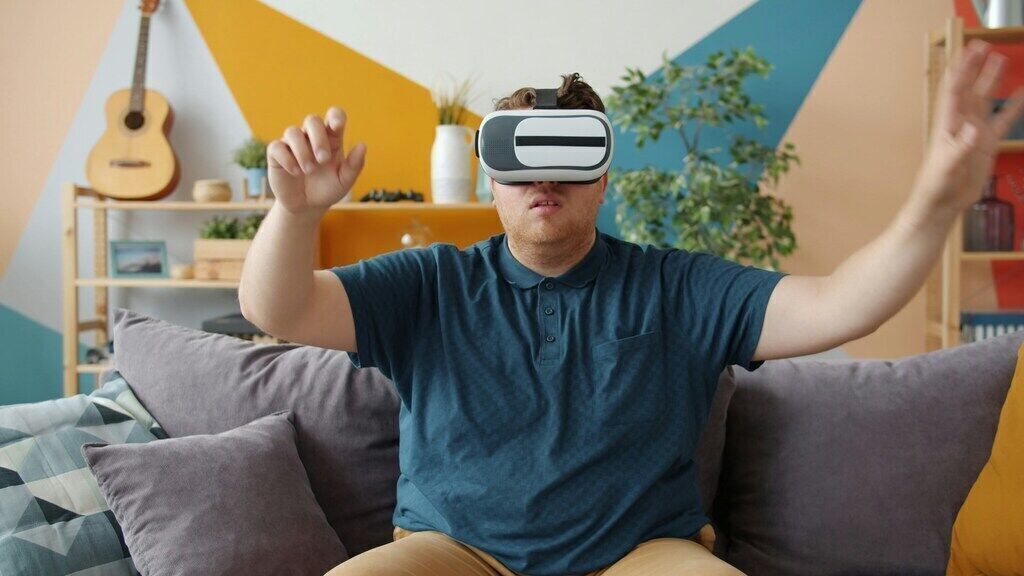
Augmented and Virtual Reality: The Next Digital Experience
Introduction
Augmented Reality (AR) and Virtual Reality (VR) are transforming the way we interact with digital content. By 2025, these technologies are no longer limited to gaming—they are revolutionizing education, healthcare, retail, and enterprise applications. AR overlays digital information onto the real world, while VR immerses users in fully virtual environments, creating next-generation digital experiences .
Understanding AR and VR
- Augmented Reality (AR): Enhances the real-world environment with digital overlays, such as navigation guides, interactive information, and holographic objects.
- Virtual Reality (VR): Immerses users in a computer-generated environment using headsets, gloves, or motion sensors.
- Mixed Reality (MR): Combines elements of AR and VR, allowing digital and physical objects to interact seamlessly.
These technologies leverage advancements in AI, computer vision, and sensor technology to deliver realistic and interactive experiences.
Applications Across Industries
Education and Training
AR and VR provide immersive learning experiences. Students can explore historical sites virtually, conduct complex science experiments safely, or receive hands-on training in simulated work environments.Healthcare
Surgeons use VR simulations for pre-operative planning, while AR assists in real-time procedures. VR therapy helps treat phobias, PTSD, and chronic pain, enhancing patient outcomes.Retail and E-Commerce
AR enables virtual try-ons for clothing, furniture, and accessories. VR stores offer immersive shopping experiences, allowing consumers to explore products in a digital space.Entertainment and Gaming
VR games provide fully immersive worlds, while AR enhances real-world gameplay with interactive elements. Concerts, sports, and live events are increasingly using these technologies for audience engagement.Enterprise and Remote Work
VR and AR facilitate virtual meetings, collaborative design, and remote assistance. Teams can interact with 3D models and simulations regardless of location.
Benefits of AR and VR
- Enhanced User Engagement: Immersive experiences increase attention and retention.
- Cost Efficiency: VR training reduces the need for physical resources and travel.
- Improved Decision-Making: AR overlays critical information in real-time for better outcomes.
- Accessibility: Remote collaboration and virtual experiences make services accessible worldwide.
- Innovation: Enables creative applications across marketing, healthcare, education, and beyond.
Challenges and Considerations
Despite rapid adoption, AR and VR face challenges:
- Hardware Limitations: High-quality VR headsets and AR devices remain expensive and require significant computing power.
- User Experience: Motion sickness, eye strain, and usability issues can limit adoption.
- Content Development: Creating engaging and realistic AR/VR content is time-consuming and costly.
- Data Privacy: AR and VR systems often collect sensitive user data, requiring robust security measures.
- Integration: Seamlessly combining AR/VR with existing systems and workflows can be complex.
The Future Outlook
By 2025 and beyond, AR and VR are expected to:
- Integrate AI for personalized and adaptive experiences.
- Expand into social platforms, enabling virtual interactions with friends, colleagues, and clients.
- Improve hardware ergonomics and reduce costs for wider accessibility.
- Support remote healthcare, education, and enterprise solutions at scale.
- Merge with IoT and 5G technologies to deliver real-time, high-fidelity AR/VR experiences.
The convergence of these technologies promises a more interactive, immersive, and connected digital world .
Conclusion
AR and VR are redefining the digital experience across multiple sectors. By bridging the gap between the physical and digital worlds, these technologies offer immersive learning, enhanced entertainment, and innovative enterprise solutions. As AR and VR continue to evolve, they will play a central role in shaping the next generation of digital interaction , transforming the way we work, learn, and play.