
AI and Machine Learning: Transforming Industries in 2025
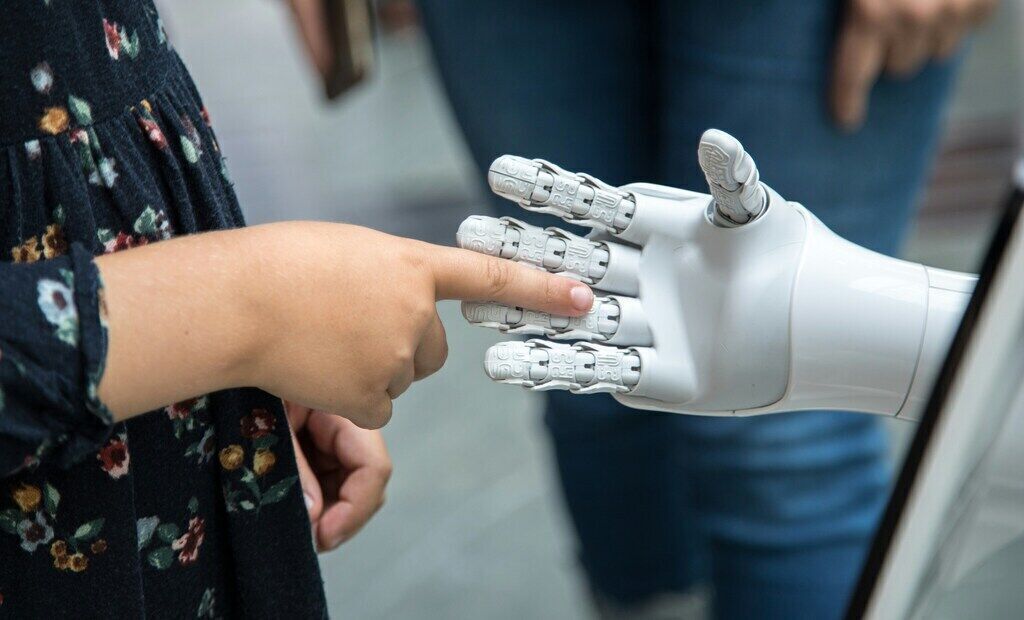
AI and Machine Learning: Transforming Industries in 2025
Introduction
Artificial Intelligence (AI) and Machine Learning (ML) have become the cornerstone of technological innovation in recent years. By 2025, their impact on industries worldwide has grown exponentially, driving efficiency, automation, and new business models. From healthcare to finance, manufacturing to entertainment, AI and ML are reshaping the way we work, interact, and make decisions.
Understanding AI and Machine Learning
Artificial Intelligence refers to systems or machines that mimic human intelligence to perform tasks such as problem-solving, decision-making, and natural language processing.
Machine Learning , a subset of AI, focuses on algorithms that enable systems to learn from data and improve over time without explicit programming.
Key features include:
- Data-Driven Decision Making: AI systems analyze vast datasets to identify patterns and insights.
- Automation: Repetitive tasks can be performed efficiently with minimal human intervention.
- Predictive Analytics: Machine learning models forecast outcomes based on historical data.
- Natural Language Processing (NLP): Enables AI to understand and respond to human language.
Industries Transformed by AI and ML
Healthcare
AI-powered diagnostic tools can detect diseases earlier and more accurately than traditional methods. ML models predict patient outcomes, optimize treatment plans, and support personalized medicine. Robotic surgery and virtual health assistants are also improving patient care.Finance
AI-driven algorithms streamline trading, risk management, and fraud detection. Chatbots provide customer support, while predictive models help investors make data-informed decisions.Manufacturing
Smart factories use AI for predictive maintenance, quality control, and supply chain optimization. Automation reduces operational costs and enhances production efficiency.Retail and E-Commerce
AI personalizes shopping experiences through recommendation engines and inventory management. ML helps analyze consumer behavior to optimize marketing strategies.Transportation
Self-driving vehicles, AI-based traffic management, and logistics optimization are transforming mobility and reducing operational inefficiencies.
Benefits of AI and Machine Learning
- Increased Efficiency: Automating repetitive tasks saves time and resources.
- Enhanced Accuracy: AI reduces human error in complex processes.
- Cost Reduction: Predictive analytics help companies optimize operations and reduce waste.
- Innovation Enablement: AI opens opportunities for new products and services.
- Improved Customer Experience: Personalized recommendations and AI-powered support enhance user satisfaction.
Challenges and Considerations
Despite their advantages, AI and ML pose several challenges:
- Data Privacy and Security: Handling large volumes of sensitive data requires robust protection measures.
- Bias and Fairness: Algorithms may inadvertently perpetuate biases present in training data.
- Job Displacement: Automation can replace certain roles, requiring workforce reskilling.
- Regulatory Compliance: Industries must navigate evolving laws regarding AI usage.
- High Implementation Costs: Developing and integrating AI systems can be expensive.
The Future Outlook
By 2025 and beyond, AI and ML are expected to:
- Enhance human-machine collaboration rather than fully replace humans.
- Expand into emerging fields like quantum computing, autonomous systems, and predictive healthcare.
- Improve real-time decision-making capabilities in critical sectors.
- Support sustainable practices by optimizing energy use and reducing waste.
Organizations that embrace AI strategically will likely gain a competitive advantage and lead in innovation, efficiency, and customer satisfaction.
Conclusion
AI and Machine Learning are no longer experimental technologies—they are integral to the modern industrial landscape. By transforming processes, enabling data-driven decisions, and fostering innovation, these technologies are reshaping industries across the globe. Businesses and individuals who adapt to and adopt AI and ML will thrive in the dynamic, technology-driven economy of 2025 and beyond .